
CULTURE · LANGUAGE · CLOSE READING01
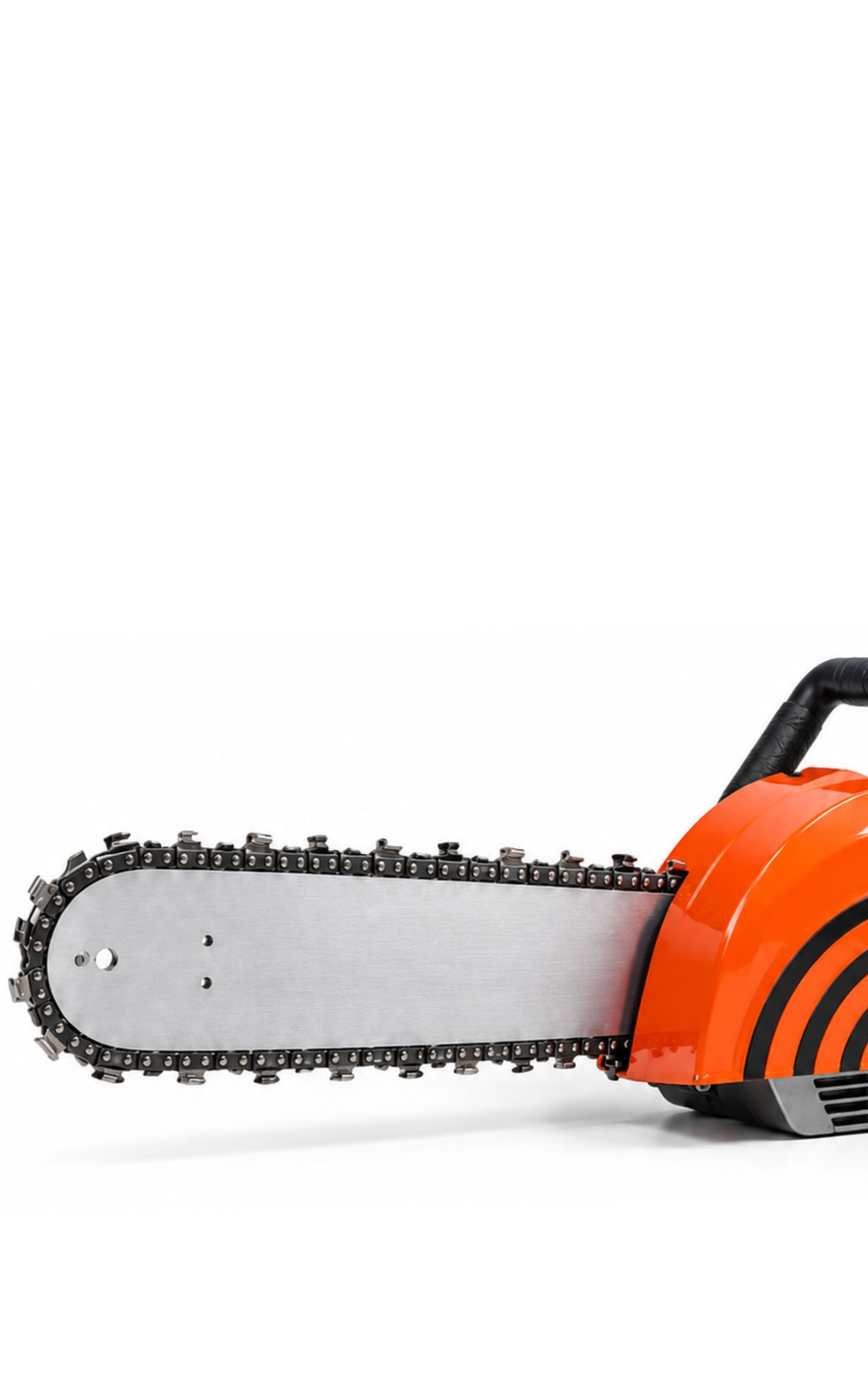
チェンソーマン
Chainsaw Man
Ordinary dreams. Uncomfortable intimacy.
A closer look at the world around Denji.
EARLY-ANIME ANSWERSExplore Chainsaw Man
01 / THE FOUNDATIONS
Two stories to return to.
New ways to read them.
チェンソーマン
Ordinary dreams. Uncomfortable intimacy.
A closer look at the world around Denji.
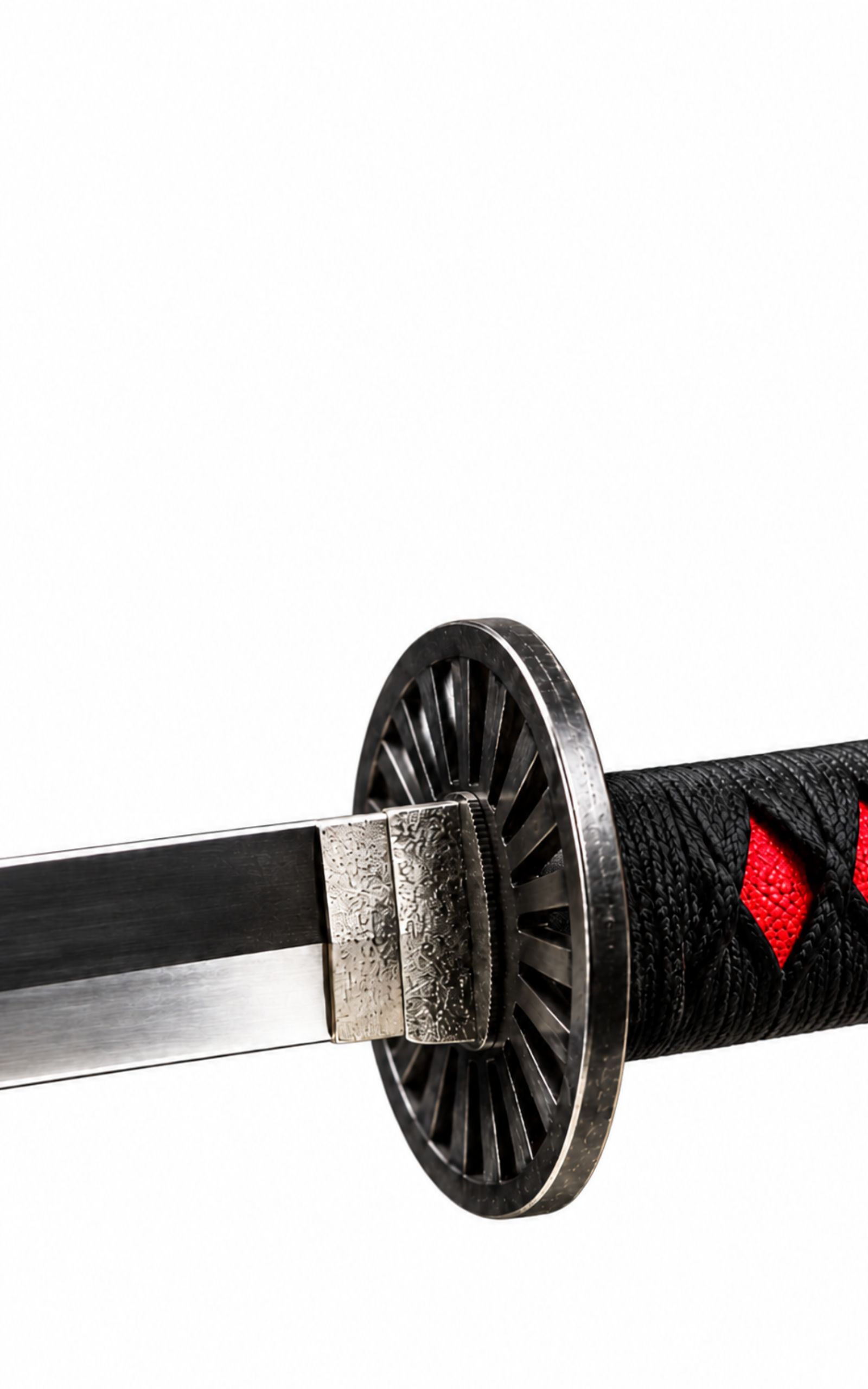
鬼滅の刃
Family, obligation, and a changing Japan.
Reading the setting alongside the story.
02 / CHAINSAW MAN
START WITH YOUR QUESTION
Search articles and guides across the Reader in English or Japanese.
RECENT ESSAYS
Language notes &
the editor’s essays.
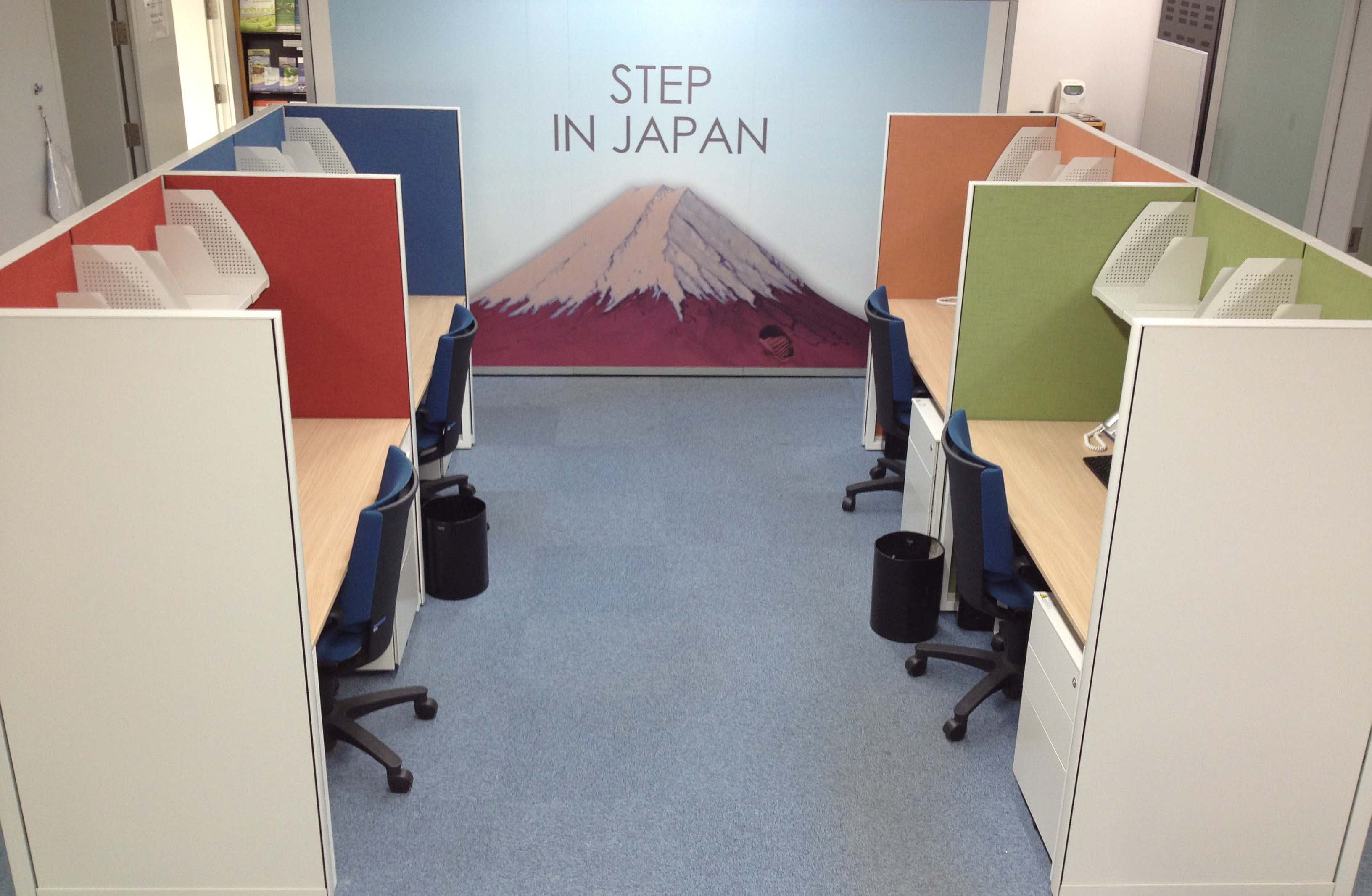
CHAINSAW MAN · JAPANESE WORDING
“Three years your senior” sounds like an age gap. The Japanese word puts their workplace relationship in view.
Read the explanationPhoto: EU-Japan Centre · Step in Japan office · CC BY-SA 3.0 · Unedited, displayed uncropped.
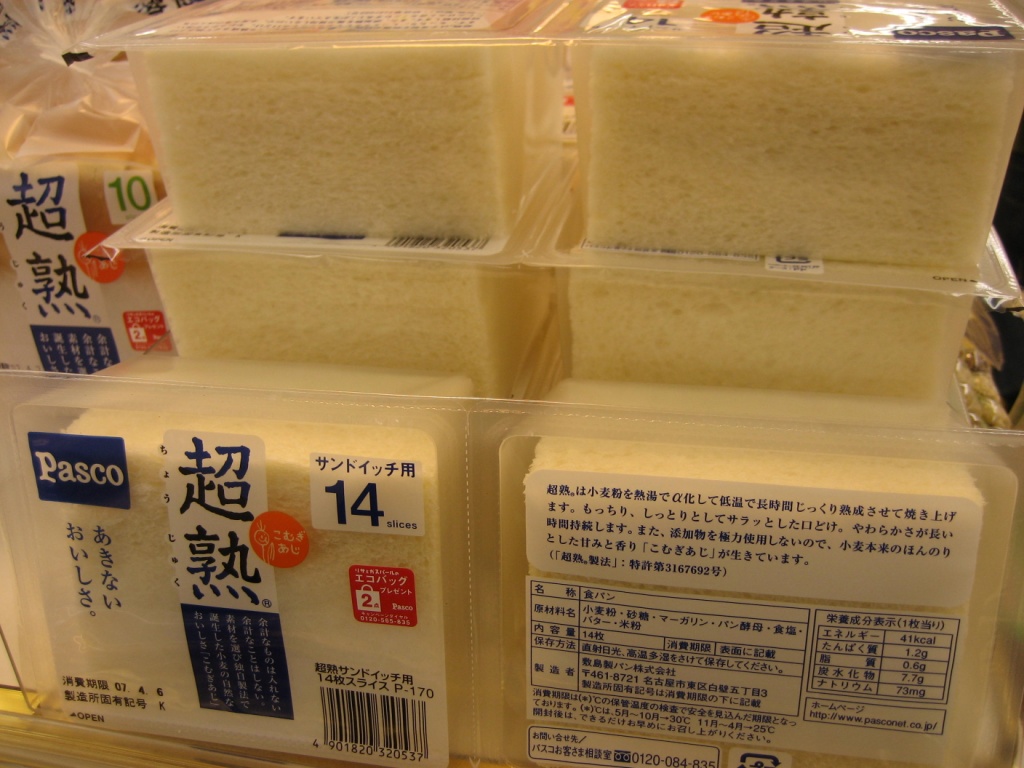
CHAINSAW MAN · EVERYDAY LIFE · EDITORIAL DRAFT
Denji dreams of a sweeter breakfast. An essay on packaged bread, modest wishes, and the cost of an ordinary life.
Read the essayPhoto: Gilgongo · Pasco Shokujuku sandwich bread · CC BY 2.0 · Unedited, displayed uncropped. A 2007 product photograph, not Denji’s bread.
ON THE EDITOR’S DESK
Guides for these titles are being considered. Articles are not available yet.
03 / AN EDITOR’S PERSPECTIVE
Edited from Kyoto, Japan
Jiro Naozane
Jiro Naozane is a researcher of Japanese cultural history based in Kyoto. His work explores contemporary Japanese culture through manga, anime, literature, and art.
He finds joy in sharing discoveries with fans around the world: the cultural details, historical connections, and fresh perspectives that make a familiar work worth looking at again.
Each guide distinguishes cultural context, source evidence, and Jiro’s own interpretation.
THE LONGER READ
Jiro’s English-language criticism includes Chainsaw Man: The Devil in the Details, a 14-chapter reading of Denji, Makima, and Fujimoto’s storytelling. Explore the Kindle edition ↗
